
Learn Music + Mindfulness
No matter your background, you’ll learn to play any instrument and discover a new language of connection that lasts forever.
Research Modalities
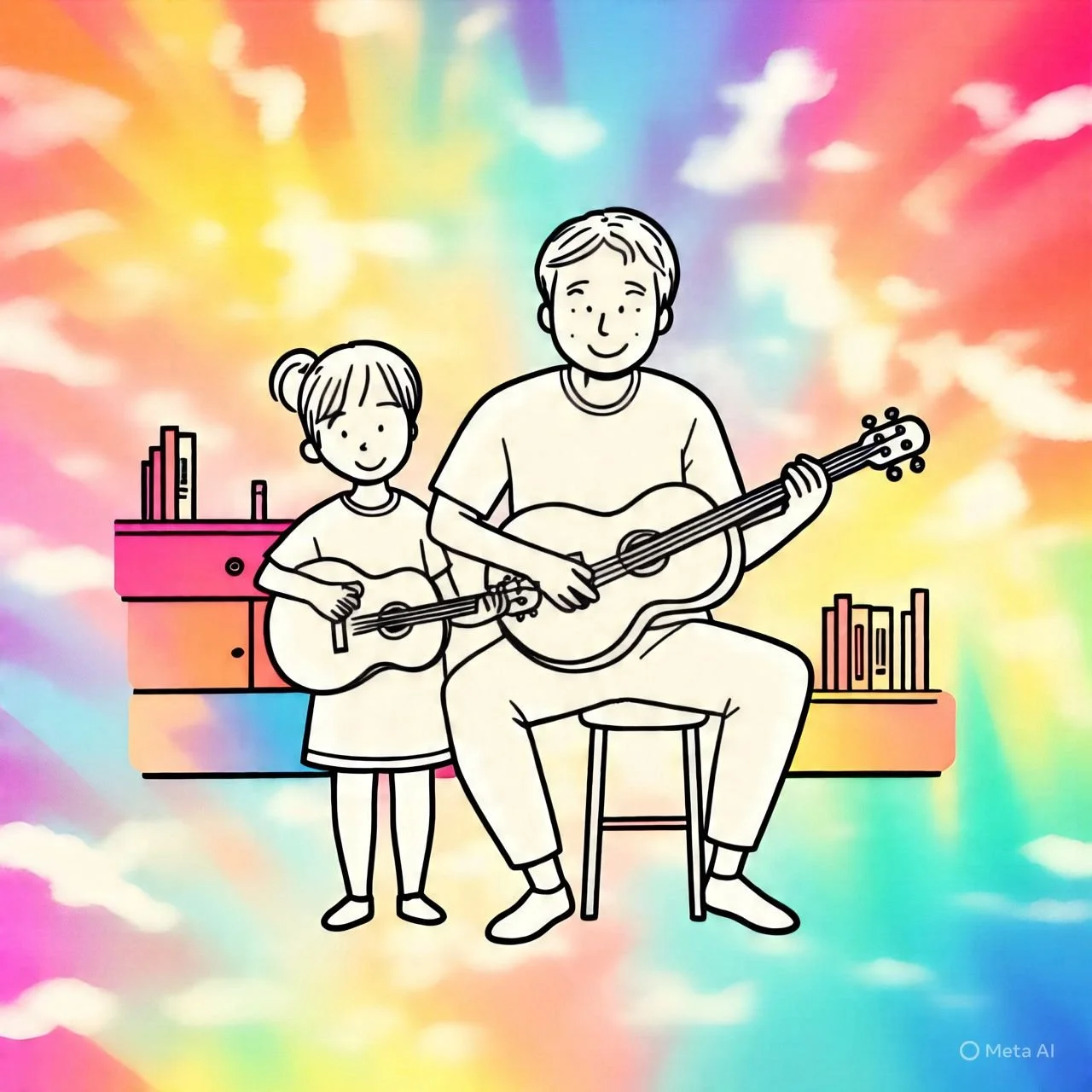
Music Theory
Vibration, sound, energy, and tone - they are as much a part of us as they are a part of music. How does Music Theory apply to the family, both with or without our musical instrument?
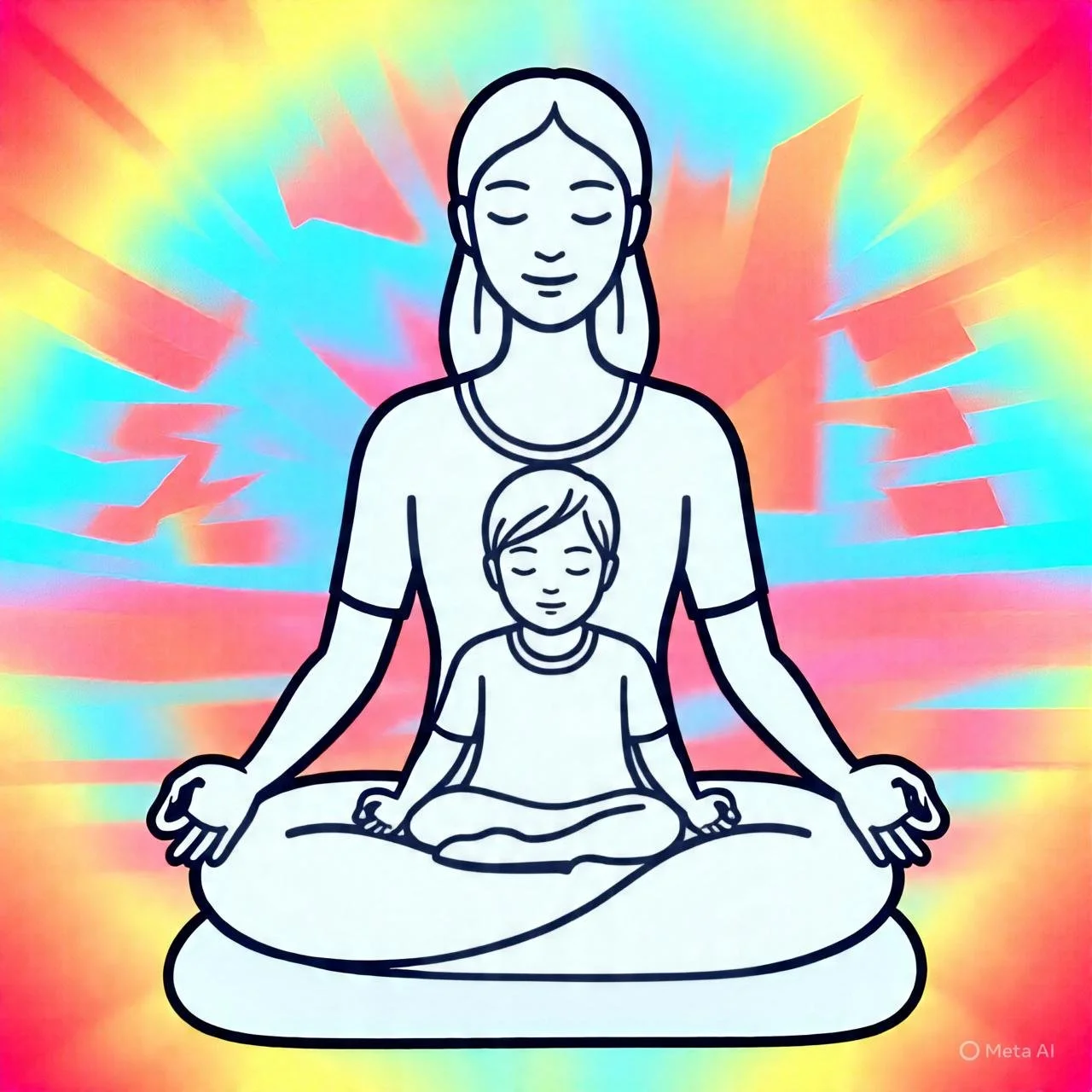
Mindfulness and breath
How does mindfulness and breathing impact our ability to play any musical instrument?
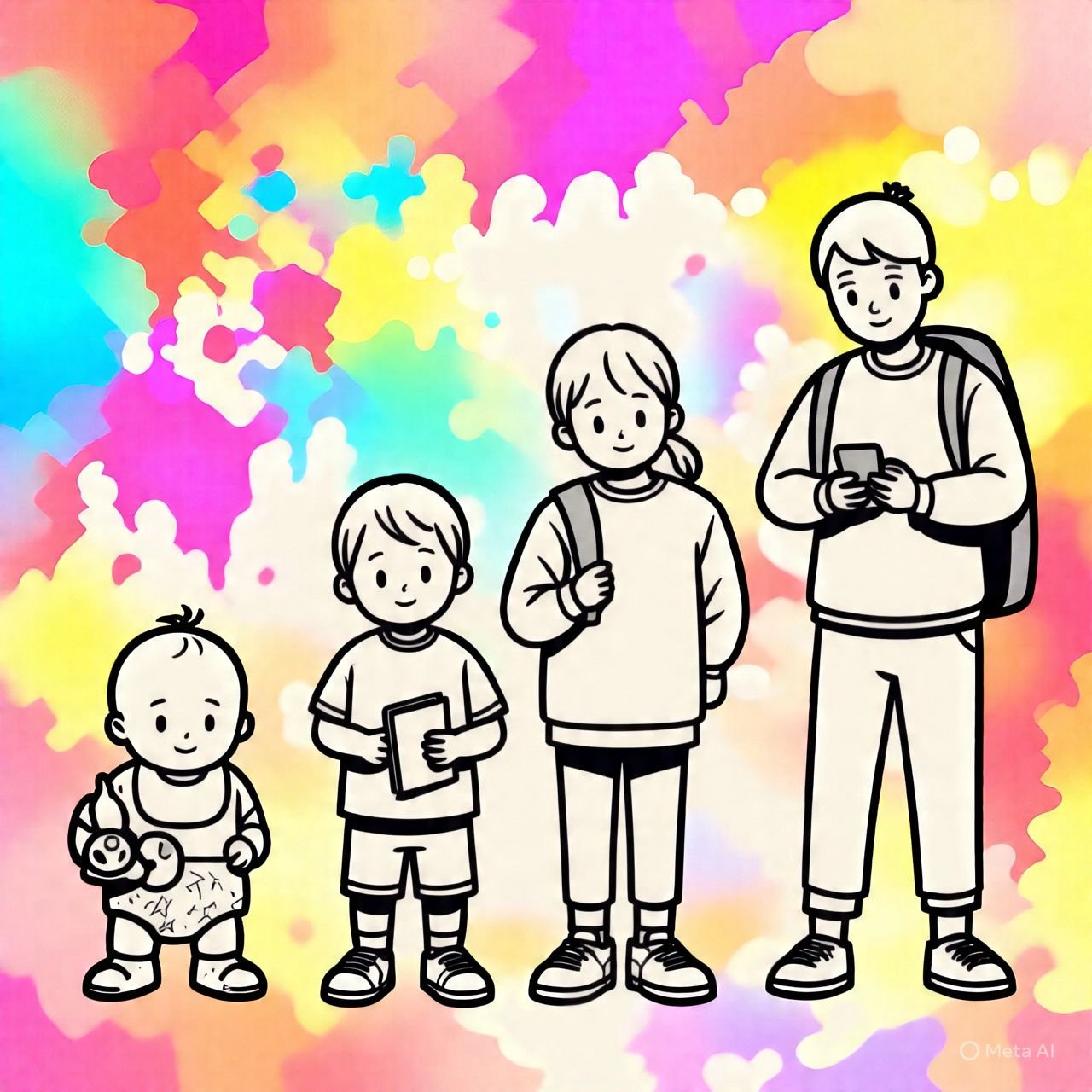
Developmental Psychology
The brain is always developing. What does it look like to see specific aspects of brain development come alive when music is incorporated?
In case you are wondering…
-
The most common question to get asked when I apply music to therapy is this: ‘what if I’m not musical at all?’
Fear not. By nature of being human, you have rhythm and music flowing through you at all times. In this program, we ‘connect’ with what is already there.
You need not have any musical experience to make use, and good use, of this program. -
For parents, the weekly classes will be focused on practicing basic therapeutic skills such as breath, focus, self-regulation, and inner dialogue work. In addition to this, we will work with different instruments each week to deepen your musical acumen and get in touch with how you can play with your children in more expansive ways. You teacher will offer clear and practical guidance and direction on how to do this.
The children’s role is mostly to play, and to allow themselves to be silly with the instruments rather than to have to produce any specific kind of music. The weekly music sessions for children will develop a gentle framework for the exploration of their own musical language.
-
While the full-length program is designed to produce effects over time, you will start seeing results as soon as you start to look for them.
So, if on Day 1 of the program you open yourself up to seeing changes, however small, the changes and shifts will quickly appear.
In Week 1, we cover how to start looking for the shifts.
-
All sessions are virtual, from the comfort of your own home.
It is recommended to be present for all live meetings.
All sessions include a post-session email with relevant details that were covered in the class. You will get this email each week, so if there is a week you must miss, rest assured that you will have the basic details in your inbox.
-
The program is open to families of all kinds. Children, teens, and even emerging adults will do well at this program.
The main agents of music and change are the parents, so as long as the parents are showing up and investing their effort, every child will connect and learn at their own pace and in their own way.
-
It is both!
We use music as the vessel, the example, and the tool by which we implement basic therapeutic techniques that all families can benefit from.